
There is a reason people love the way their smile looks after whitening. Teeth can look cleaner, brighter, and more awake. Even small changes in shade can make someone feel more comfortable smiling in photos, walking into a meeting, or getting ready for a big event.
So when the yellow tones start creeping back in, it can be frustrating. It may happen slowly at first. Coffee shows up again. Tea leaves a little color behind. Everyday meals, sauces, and snacks start to soften that fresh, bright look. Before long, your smile may not look quite as crisp as it did right after whitening.
Keeping that brighter shade around is usually more about small habits than big sacrifices. You can still drink coffee, enjoy dinner out, and live your life. The trick is knowing which everyday choices leave color behind and how to reduce the buildup. At Fielder Park Dental in Arlington, TX, our group practice helps patients maintain whitening results in practical ways that fit real routines.
Why Teeth Start to Look Duller After Whitening
Whitening can lift stains and brighten natural tooth enamel, but your teeth still go through daily life afterward. They come into contact with coffee, tea, sauces, berries, wine, spices, and snacks. Over time, those everyday choices can leave color behind again.
Some stains sit on the surface of the teeth. These often come from dark drinks, tobacco, and deeply colored foods. Other discoloration can come from age, enamel thinning, certain medications, old dental work, or past trauma to a tooth.
Re-staining usually sneaks in. Your smile may still look bright for a while, then one day it looks a little warmer in the mirror or not quite as white in photos. It is not always a sudden change, which is part of why it can be annoying.
That does not mean the whitening was a waste. It means your teeth are still living in the same world as coffee, tea, tacos, berries, and Tuesday night pasta sauce. Once you understand where stains come from, it becomes easier to slow them down.
Be Smart With Coffee, Tea, and Dark Drinks
Coffee and tea are two of the most common reasons teeth start to stain again after whitening. They are part of the daily routine for many people, so telling everyone to quit them is not realistic. Still, a few small changes can help.
If you sip coffee for several hours, your teeth get repeated contact with the color and acidity. Finishing it in a shorter window is usually easier on your enamel than nursing the same cup all morning. Afterward, drink water or swish with water to rinse away some of the pigment.
For iced coffee, iced tea, soda, or dark juices, a straw can help reduce contact with the front teeth. It will not block every stain, but it can cut down on how much liquid washes over the most visible part of your smile.
Red wine, cola, sweet tea, and sports drinks can also leave color behind. They don’t have to be forbidden, but just try to pair them with water and avoid letting them sit on your teeth all afternoon.
Rinse With Water After Colorful Foods
Dark drinks get most of the attention, but foods can stain too. Berries, tomato sauce, curry, soy sauce, barbecue sauce, balsamic vinegar, and deeply colored spices can all leave pigment behind.
After meals or dark drinks, rinsing with water can help clear away some of that color before it sits on the teeth for long. This is especially helpful when brushing is not realistic, such as when you are at work, out to dinner, at a cookout, or running errands.
A simple rule: if it would stain a white shirt, it can probably stain your teeth. That does not mean you need to avoid it forever. It just means your smile may do better with a quick rinse afterward.
Give Your Teeth a Little Time Before Brushing
It may seem like brushing right after coffee, wine, citrus, soda, or tomato sauce would be the best move. However, acidic foods and drinks can temporarily soften the outer surface of enamel. Brushing right away, especially with a heavy hand, may be too rough.
Instead, rinse with water first and wait a bit before brushing. Saliva helps neutralize acid and gives the mouth time to settle. Then, when you do brush, use a soft toothbrush and gentle pressure.
Scrubbing harder will not keep your teeth whiter. In fact, brushing too aggressively can irritate the gums and contribute to enamel wear over time. As enamel becomes thinner, the warmer color underneath can show through more.
Think of brushing as cleaning, not sanding. A lighter touch, done well and done consistently, is usually much better for your smile than a hard scrub once in a while.
Keep the Basics Boring and Consistent
The most helpful whitening maintenance habits are not always exciting. Brushing twice a day, cleaning between your teeth, and keeping up with dental cleanings do a lot of the heavy lifting.
Plaque can make teeth look dull. Even if your enamel is still fairly bright underneath, buildup on the surface can take away that clean, polished look. Flossing or using another tool to clean between teeth also helps prevent stains and plaque from collecting where a toothbrush cannot reach.
If floss is not your favorite, you have options. Floss picks, interdental brushes, or a water flosser may be easier to keep up with. The best tool is the one you will actually use, not the one that sounds best in theory.
This is where a realistic routine wins. You do not need a bathroom counter full of products. You need a few habits you can repeat on busy mornings, tired nights, and regular Tuesdays.
Schedule Regular Dental Cleanings
Professional cleanings can make a big difference in how bright your smile looks between whitening treatments. Even with good home care, plaque and tartar can collect in areas that are hard to reach. Tartar cannot be brushed away at home.
During a cleaning, the dental team can remove buildup and surface stains that may make teeth look darker or less fresh. Cleanings also give the team a chance to check your gums, enamel, older fillings, crowns, and any areas where stains seem to collect more easily.
For many patients, cleanings every six months are a good schedule. Others may need a different timeline depending on gum health, stain buildup, dry mouth, or other concerns.
If you are planning whitening before an event, a cleaning first may help. Teeth often respond better when surface buildup has been removed. It also gives you a cleaner starting point, which never hurts.
Be Thoughtful With Whitening Toothpaste
Whitening toothpaste can help with surface stains, especially when it is used as part of a consistent routine. Options like the Arm & Hammer whitening line may be helpful for some patients because they can assist with surface stain removal while still fitting into regular brushing.
However, whitening toothpaste is not the same as professional whitening. It usually works more on surface stain than deeper discoloration, so expectations should be realistic. Also, if your teeth are sensitive, or if you tend to brush hard, it is worth asking our office before using a more abrasive product every day.
At Fielder Park Dental, the team can help you choose products that fit your whitening goals, sensitivity level, and daily routine. Your toothpaste should help your smile look cleaner without leaving your teeth irritated afterward.
Watch for Dry Mouth
Dry mouth can make re-staining harder to control. Saliva helps rinse away food particles, neutralize acids, and keep plaque from clinging as easily. When the mouth is dry, stains and buildup can hang around longer.
Dry mouth can come from dehydration, mouth breathing, certain medications, tobacco, alcohol, or medical conditions. Some people notice it most in the morning. Others feel it during the day when talking, working out, or taking medication.
Drinking water throughout the day can help, especially after coffee, snacks, or meals. Sugar-free gum may also help stimulate saliva for some patients.
If dry mouth is a regular problem, bring it up during your visit. It can affect more than whitening maintenance. It can also increase cavity risk, gum irritation, and bad breath. A small change in your routine may help more than you expect.
Avoid Tobacco When Possible
Tobacco can stain teeth quickly and deeply. Cigarettes, cigars, and chewing tobacco can leave yellow or brown stains that are difficult to manage with brushing alone. They can also affect gum health, breath, and overall oral health.
If you use tobacco, whitening results may fade faster. Professional cleanings and touch-ups can help, but the staining source will keep working against the result.
Vaping may not stain teeth in the exact same way as traditional tobacco, but it can still contribute to dry mouth and irritation for some people. When the mouth is dry or irritated, keeping the smile bright can become harder.
The team at Fielder Park Dental can talk with you about stain management without making the conversation feel like a lecture. The goal is to help you understand what is affecting your teeth and what choices may help.
Use Whitening Touch-Ups Thoughtfully
Whitening touch-ups can help maintain your results, but timing is important. Some patients only need occasional touch-ups. Others who drink coffee, tea, or red wine often may need them more regularly.
However, more whitening is not always better. Overusing whitening products can cause sensitivity or gum irritation. If your teeth already feel sensitive, it is better to ask before starting another round.
A planned touch-up often works better than trying random products whenever your teeth start to look dull. The right schedule depends on your habits, tooth shade, sensitivity, and the type of whitening you used.
At Fielder Park Dental, the team can help you decide when a touch-up makes sense. A little planning can keep your smile bright without overdoing it.
Keep Custom Trays Handy for Touch-Ups
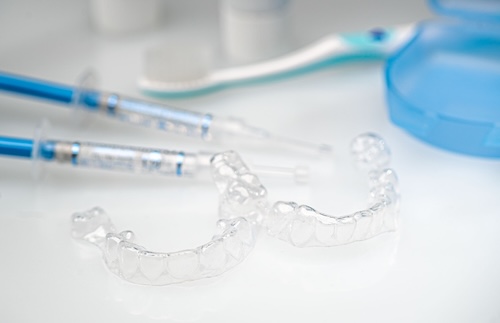
Some patients like having custom whitening trays at home for small touch-ups. Once your teeth start looking a little less bright, the trays can make maintenance easier because you do not have to start from scratch every time.
At Fielder Park Dental, custom-fit trays are made to fit your teeth and are used with a professional whitening gel. Many patients like the flexibility of wearing them while watching TV, reading, or relaxing at home.
The main thing is not to overdo it. Whitening too often can make teeth sensitive or irritate the gums, so follow the instructions the team gives you. If your trays feel loose, cracked, or uncomfortable, bring them in before using them again.
Used now and then, custom trays can help you keep the shade you liked after whitening. If stains start to show again, a short touch-up may be enough to brighten things back up without repeating a full whitening plan.
Remember That Dental Work Does Not Whiten Like Enamel
Crowns, veneers, bonding, and tooth-colored fillings do not whiten the same way natural teeth do. If you whiten your teeth, older dental work may look darker by comparison.
This does not mean whitening is off the table. It just means shade planning is important, especially if the dental work shows when you smile. Sometimes whitening is done first, then older bonding or fillings are updated to match the brighter shade.
Other times, a more conservative whitening plan may make sense. It depends on your smile, your dental work, and how much contrast would show.
Before whitening or whitening touch-ups, it is a good idea to have the team take a look. Nobody wants to brighten their teeth and then realize one front filling now stands out like it missed the memo.
Make Whitening Maintenance Fit Real Life
The best whitening maintenance routine is one you can actually keep. A strict plan that makes you miserable will probably last about three days. A practical plan can become part of normal life.
Drink water after coffee. Use a straw for iced drinks. Rinse after dark sauces. Brush gently before bed. Keep your cleanings on the calendar. Ask about touch-ups when your smile starts looking dull again.
None of these habits are dramatic, and that is the point. They are small enough to keep, but useful enough to help. Over time, they can slow down re-staining and help your smile stay closer to the shade you liked after whitening.
A bright smile does not need a perfect lifestyle. It needs consistent care, a few smart habits, and a little honesty about what you drink, eat, and do every week.
Whitening Maintenance in Arlington, TX
Whitening can make your smile look fresh and bright, but daily life will always try to leave a little color behind. Coffee, tea, wine, sauces, tobacco, dry mouth, plaque, and skipped cleanings can all dull your results over time.
At Fielder Park Dental in Arlington, TX, our group practice helps patients maintain whitening results in a way that feels realistic. Whether you are thinking about whitening, need a cleaning, have sensitivity, or want advice on touch-ups, the team can help you choose habits that fit your routine.
If your smile is not looking as bright as it used to, schedule a visit with Fielder Park Dental. A cleaning, shade check, or whitening conversation can help you refresh your smile without guessing what to do next.
FAQs
How long do teeth whitening results last? Whitening results vary. Coffee, tea, wine, tobacco, dry mouth, oral hygiene, and dental cleanings can all affect how quickly teeth re-stain.
Can I drink coffee after teeth whitening? Yes, but coffee can stain teeth over time. Try drinking it in a shorter window, rinsing with water afterward, or using a straw for iced coffee.
How can I reduce staining after whitening? Rinse with water after dark drinks or colorful foods, brush gently twice a day, clean between teeth, keep up with dental cleanings, and ask about touch-ups when needed.
Do whitening toothpastes help? Some whitening toothpastes, including options like Arm & Hammer whitening toothpaste, may help reduce surface stains. They do not whiten like professional treatment, and sensitive teeth may need a gentler option.
Can I use custom trays to maintain whitening results? Yes. Custom whitening trays can be used for occasional touch-ups when recommended by your dental team. Follow instructions carefully to avoid sensitivity or gum irritation.
Will crowns or fillings whiten too? No. Crowns, veneers, bonding, and tooth-colored fillings do not whiten like natural enamel. Ask your dentist about shade matching before whitening.