
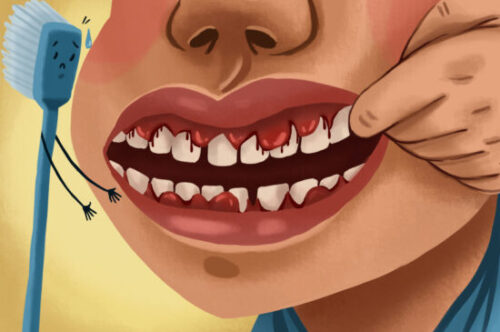
Floss caught on something and your gums bled. You brush and notice a bit of puffiness along the gumline. Coffee feels great, but cold water makes your teeth wince near the gums. These are all common experiences — but they’re also clues your gums are trying to tell you something.
Gum health is one of the foundations of a healthy mouth. When the tissues that support your teeth are calm and strong, everyday things like chewing, brushing, and even smiling tend to feel easier and more comfortable. But when gum tissue starts showing signs of irritation — bleeding, swelling, sensitivity — it’s a signal worth paying attention to. Left unchecked, mild gum issues can evolve into more persistent problems later on.
At Fielder Park Dental here in Arlington, TX, our team sees these early signs every day. They don’t always mean something serious — but they do mean it’s time to look a little closer. Here’s a straightforward, practical gum health checklist for 2026 to help you notice patterns, track changes, and take steps that make a real difference.
Bleeding Gums: A Signal Something’s Off
If your gums bleed when you floss or brush, it’s worth paying attention. It doesn’t always mean something serious — but it does mean your gums are irritated, and something in your routine could use adjusting.
Sometimes it’s as simple as flossing a spot that’s been missed for a while. Other times, it could be linked to dry mouth, mouth breathing, or brushing too hard. Even certain medications or hormonal shifts can make gums more reactive.
Whatever the reason, regular bleeding isn’t something to ignore — even if it doesn’t hurt. Keeping track of when and where it happens can help Dr. Fielder and the team spot the cause faster and recommend the right next step.
Swelling and Puffiness: A Sign Your Gums Are On Guard
Swollen or puffy gums can feel tender or look slightly rounded or shiny. It’s your gum tissue responding to irritation — often from plaque or bacteria along the gum margin.
Swelling might show up as:
- Redder tissue near the base of teeth
- A “full” or soft feel when you run your tongue over your gums
- A difference in appearance between yesterday and today
This isn’t always painful, and that’s what makes it easy to overlook. But even subtle puffiness is worth noting.
Sensitivity Along the Gumline: What It Usually Means
If cold air, an ice pop, or a sweet drink makes your gums feel sharp or tingly near the tooth edge, that’s sensitivity — and it often shows up when enamel thins near the gumline or when gum recession exposes root surfaces.
Sensitivity can come and go, but when it starts showing up consistently, it’s a sign that the gum–tooth interface needs attention. Simple things like using a soft brush and toothpaste for sensitive teeth often help — but persistent sensitivity is worth discussing with your dentist.
A Practical 2026 Gum Health Checklist
Here’s a set of easy, common‑sense checks you can run through once a week or even just before your next brushing session:
- Do Your Gums Bleed When You Floss or Brush?
If yes, notice whether it’s occasional or frequent. - Do You See Redness or Puffiness Near the Base of Teeth?
Healthy gums tend to be firm and light pink, not swollen or shiny. - Do You Feel Tenderness or Sensitivity Near the Gums?
Cold drinks, brushing, or flossing can make sensitive areas stand out. - Has Your Mouth Been Drier Than Usual?
Dry mouth can make gum tissue more reactive, (and lead to more frequent cavities) especially if you’re taking medications that reduce saliva. - Are Your Teeth Feeling Longer or More Exposed?
That can be a sign of mild recession — gum tissue settling lower on the tooth. - Is There a Persistent Bad Taste or Odor Even After Brushing?
This can accompany stagnation of plaque near the gumline.
Keeping a simple mental note of these questions — or even writing them down once in a while — helps you spot gradual changes before they become bigger concerns.
Small Things That Support Gum Health Every Day
- Brush gently with a soft brush at least twice a day, paying attention to the gumline.
- Floss daily or use interdental cleaners to remove plaque between teeth.
- Rinse with water after meals when you can’t brush right away.
- Stay hydrated — saliva helps neutralize acids and protect soft tissues.
- Pay attention to how your mouth feels after certain foods, beverages, or routines.
Small consistency matters more than perfection. Patterns develop slowly — and so does gum irritation.
Make 2026 the Year You Listen to Your Gums — Fielder Park Dental in Arlington, TX
Some gum irritation is common, but it’s not something you should ignore or just “live with.” If you notice frequent bleeding, persistent swelling, consistent sensitivity, or other gum changes that don’t go away after a week or two of careful home care, it’s worth bringing up during your visit.
At Fielder Park Dental in Arlington, TX, our team can help you connect what you’re noticing with what, if anything, needs to be done. We’ll review your gum health, look beneath the surface, and recommend practical steps — whether that’s coaching in technique, professional cleaning, or targeted support — to keep your gums calm and your smile comfortable.
Image from Authority Dental under CC 2.0