
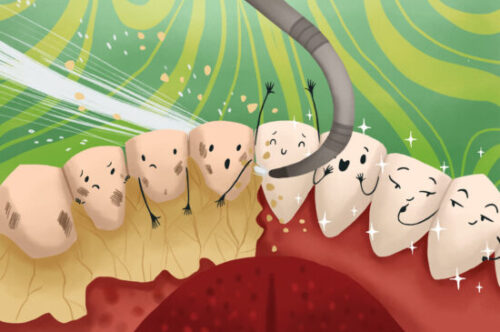
A deep cleaning reaches below the gumline, so the first week afterward can feel a little different from what you are used to after a routine cleaning. Your gums may be tender, your teeth may react more to cold, and some areas may feel more noticeable when you brush or chew. However, that tenderness usually makes more sense when you remember that plaque and tartar were just removed from around the tooth roots, where the gums had already been inflamed.
At Fielder Park Dental in Arlington, TX, our team may recommend a deep cleaning, also called scaling and root planing, when buildup has collected below the gums. Once that buildup is removed, the gum tissue has a cleaner surface to heal against. From there, the first week is mostly about keeping those areas clean, protecting the gums while they are tender, and watching for symptoms that are not improving as expected.
Some spots may feel fine fairly quickly, while others can stay sore for several days, especially if the pockets were deeper or there was more tartar in that area. So it helps to know what is common during that first week, what you can do at home, and when to call us. Most of the aftercare is simple, but staying consistent can make the whole week go more smoothly.
What to Expect After a Deep Cleaning
Once the numbness wears off, the gums may feel sore or tender, especially in areas where there was more buildup below the gumline. You may also see a little blood when you brush or floss during the first day or two. As the tissue begins to heal, however, the bleeding should generally become less frequent and the soreness should start easing.
Your teeth may also seem more sensitive to cold, air, or sweets for a while. After tartar is removed and swollen gum tissue begins to tighten, parts of the root surface may be more exposed than they were before. Because root surfaces do not have the same enamel covering as the tops of the teeth, a cold drink can suddenly feel much sharper than it did before treatment.
The teeth themselves may feel different along the gumline too. If tartar had been sitting between teeth or around the roots for quite some time, removing it can reveal spaces and contours you were not used to feeling. Your tongue will probably notice those changes almost immediately, but they usually become less noticeable as you get used to the cleaner surfaces.
Keep Brushing, Even If the Gums Are Tender
When the gums are sore, brushing can feel less comfortable for a few days. However, plaque starts forming again quickly, so the treated areas still need to be cleaned. Instead of avoiding them, use a lighter touch and give yourself a little more time.
A soft-bristled toothbrush works well during the first week. Move slowly along the gumline rather than scrubbing back and forth, and if one section is more sensitive, ease up on the pressure there. Then, as the soreness improves, brushing should gradually start feeling more like it usually does.
It can also help to work through the mouth in sections rather than rushing through the tender side. That way, you are less likely to miss an area simply because it feels sore. If one spot still feels sensitive, keep cleaning it gently rather than pressing harder or skipping it altogether.
Keep Flossing During the First Week
Flossing should continue too, although you may want to be a little more careful at first. Rather than snapping the floss down between the teeth, guide it through the contact and curve it against the side of each tooth. Then move it gently beneath the gumline and back up again.
You may notice some bleeding in areas that were already inflamed. However, stopping floss altogether allows plaque to collect again between the teeth, where your toothbrush cannot reach as well. So gentle, regular flossing usually works better than leaving those spaces untouched for several days.
If regular floss is difficult to use, another tool may be easier. Depending on the spacing between your teeth, an interdental brush or water flosser may work well in certain areas. Our team can help you choose something that fits the spaces in your mouth and feels manageable to use every day.
Try a Warm Salt Water Rinse
A warm salt water rinse can feel soothing when the gums are tender after a deep cleaning. A simple mix is one teaspoon of salt in one cup of warm water. Gently swish it around the mouth, especially near the treated areas, and then spit it out.
The water should be comfortably warm rather than hot, and you do not need to swish aggressively. A gentle rinse is enough, particularly when the gum tissue is already sensitive. It can also feel good after eating if chewing has left one area a little sore.
If our team has prescribed a specific mouth rinse, however, follow those instructions first. You can also ask us how often to use the salt water rinse and whether it should be used at a different time from a prescription rinse. That keeps the aftercare routine simple and clear.
Ibuprofen Can Help With Soreness
Some soreness after scaling and root planing is common, especially once the local anesthetic wears off. If you can safely take ibuprofen, it can help with both discomfort and inflammation during the first day or two. For many patients, that is enough while the gums recover from treatment.
However, ibuprofen is not right for everyone. If you have been told to avoid NSAIDs, take certain blood thinners, have kidney problems, have a history of stomach ulcers, or have another medical reason to avoid it, check before taking it. Otherwise, follow the label or the instructions you were given.
As the week goes on, the soreness should generally ease rather than become stronger. So if the pain starts increasing several days later, call Fielder Park Dental. That is different from the mild tenderness that often follows a deep cleaning.
Choose Foods That Are Easier on Tender Gums
For the first day or so, softer foods are often more comfortable because the gums may still be sore when you chew. Eggs, yogurt, oatmeal, pasta, soft vegetables, soups that have cooled down, and tender proteins can all be easier to manage. Then, as chewing feels better, you can gradually bring your usual foods back.
Meanwhile, crunchy chips, popcorn, crusty bread, nuts, and foods with sharp edges can rub against recently treated tissue. Spicy foods may sting too, especially if one area is still irritated. If one side feels more tender than the other, chewing on the opposite side for a short time may make meals easier.
You do not need to stay on soft foods for the entire week unless the gums are still bothering you. Once chewing feels comfortable, you can return to your normal diet. Usually, the first couple of meals are the ones that need the most adjustment.
Wait Until the Numbness Is Gone Before Eating
If local anesthetic was used, wait until normal feeling has returned before chewing a meal. While your lip, cheek, or tongue is numb, it is easy to bite down on soft tissue without realizing it. Then, once the numbness wears off, you may discover that the sore spot is from the accidental bite rather than the deep cleaning.
Very hot foods and drinks should wait as well while you are numb. Without normal sensation, it is harder to judge temperature accurately. Once feeling returns, warm or cool foods are usually more comfortable while the gums are still tender.
If you normally drink coffee or tea, letting it cool a little can help during the first day. Very hot drinks may make recently treated areas feel more sensitive. Then, as the gums settle, you can go back to your usual temperature.
Sensitivity May Be More Noticeable for a While
Cold sensitivity is fairly common after a deep cleaning. As tartar is removed and inflamed gums begin to heal, more of the root surface may be exposed than you were used to. Because of that, cold water, ice cream, or even cool air can feel sharper for a while.
A toothpaste made for sensitive teeth or a fluoride treatment may help if that sensitivity continues. However, these products generally work better with repeated use, so give the toothpaste some time. In the meantime, slightly warmer water can make brushing more comfortable.
Still, sensitivity and increasing tooth pain are not quite the same thing. If one tooth develops sharp pain when biting, starts hurting on its own, or becomes more painful as the week goes on, call our office. We can take a closer look at that specific area.
Avoid Smoking and Nicotine During Healing
Smoking and nicotine can interfere with gum healing, so avoiding them during the first week is helpful. The gums are recovering after bacteria and tartar have been removed from below the gumline, and good blood flow supports that healing. Nicotine, however, reduces blood flow to the tissues.
That includes cigarettes, vaping, and other nicotine products. So if you use nicotine regularly, mention it to our team. We can take that into account when discussing healing and follow-up care.
If stopping completely is difficult, let us know that too. We can still talk about ways to reduce exposure while the gums are healing. The instructions are more helpful when they fit your actual routine.
Pay Attention to Bleeding and Swelling
A little bleeding can happen after a deep cleaning, particularly when you first resume brushing and flossing around inflamed areas. As the gums heal, however, the bleeding should generally become less frequent. Tenderness should begin easing as well, although one section may take a little longer than another.
Mild puffiness can also happen after treatment. However, if an area becomes more swollen, more painful, or starts draining, call our office. Those changes are different from the usual soreness that gradually settles over the first few days.
It is also helpful to compare how the area feels from one day to the next. One spot may still be tender because more tartar or deeper pockets were present there, while another area already feels normal. However, if pain or swelling is clearly increasing rather than easing, let us know.
Keep Your Follow-Up Appointment
Deep cleaning removes buildup below the gums, but the next step is seeing how the tissue responds once it has had time to heal. At a follow-up visit, our team may measure the pockets around the teeth again and compare them with what we found before treatment. That gives us a better idea of which areas have improved and which ones still need closer monitoring.
Some pockets may become shallower, while others may remain deeper. Because of that, your cleaning schedule may change as well. Patients who have been treated for gum disease often need periodontal maintenance more frequently than someone coming in for routine preventive cleanings.
Those visits help remove new buildup before it works its way farther below the gumline again. Meanwhile, brushing and cleaning between the teeth at home helps protect those same areas between appointments. The two go together over time.
Your First Week After a Deep Cleaning
During the first week, keep brushing and flossing, but use a lighter touch around sore areas. Warm salt water can help with tenderness, and ibuprofen may help if it is safe for you. Meanwhile, let the way your gums feel guide what you eat for the first few days.
As the week continues, one part of the mouth may feel better before another. That is especially common if more tartar or deeper pockets were present in one section. So keep cleaning those areas carefully, even if they take a little longer to feel normal.
By the end of the week, brushing and eating should generally feel easier than they did right after treatment. From there, regular home care helps keep plaque from building back up around the gums. Keeping up with that routine helps protect the improvement you started with the deep cleaning.
Deep Cleaning Aftercare at Fielder Park Dental in Arlington, TX
If you recently had a deep cleaning at Fielder Park Dental, follow the instructions our team gave you and give the treated areas a little time to heal. However, if pain, swelling, bleeding, or sensitivity is getting worse instead of better, call our Arlington, TX office so we can check the area. Sometimes a question can be handled over the phone, while other symptoms are better seen in person.
Then, when your follow-up visit comes around, keep that appointment so we can see how the gums have responded and decide what comes next. If you have questions during your first week after a deep cleaning, give Fielder Park Dental a call and we’ll be happy to help!
Image from Authority Dental under CC 2.0