
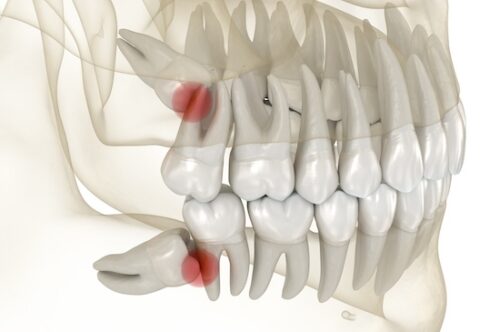
Wisdom teeth can be confusing because they do not always follow the same script. Some come in straight and never cause much trouble. Others stay hidden under the gums, push against nearby teeth, or only partially come through. And sometimes, they look quiet from the outside while creating problems that are easier to see on an X-ray.
That is why pain is not the only sign the dental team looks for. A wisdom tooth can be painless and still be impacted, difficult to clean, angled toward another tooth, or sitting in a position that increases the risk of infection or decay later.
For many people, wisdom teeth are checked during the late teen years or early adulthood. However, adults can have wisdom tooth concerns too, especially if a tooth was never removed, only partly erupted, or has become harder to keep clean over time.
At Fielder Park Dental in Arlington, TX, the team can evaluate wisdom teeth with an exam and imaging. From there, they can explain whether monitoring makes sense or whether removal may prevent a more complicated problem down the road.
Why Wisdom Teeth Can Cause Problems Before They Hurt
Pain often shows up after a problem has already developed. With wisdom teeth, that may mean swelling, infection, pressure, jaw soreness, or a cavity. By the time those symptoms appear, treatment can become more urgent and less convenient.
A wisdom tooth may sit at an angle for years without causing daily discomfort. However, if it is pressing against the second molar, trapping plaque, or creating a pocket under the gums, damage can happen slowly. You may not feel it right away because the problem is happening below the gumline or between teeth.
This is especially common with impacted wisdom teeth. An impacted tooth is one that does not fully come in because there is not enough room, the angle is poor, or gum and bone are blocking its path. It may be partly visible, fully hidden, or stuck under the tissue.
Even without pain, an impacted wisdom tooth may still be worth addressing. The recommendation depends on its position, your age, your dental health, and how likely it is to create problems later.
Impacted Wisdom Teeth
Impaction is one of the most common reasons wisdom tooth removal may be recommended before pain starts. A wisdom tooth can be impacted in several ways. It may lean forward into the tooth in front of it, tilt backward, lie sideways, or remain trapped under the gums.
If the tooth is fully covered by bone and has not changed for years, the dental team may recommend monitoring it. However, if it is angled toward the second molar, partially erupted, or positioned in a way that makes future problems likely, removal may be discussed.
A partially impacted tooth can be especially troublesome because part of it is exposed to the mouth while part remains covered by gum tissue. That creates a flap or pocket where bacteria and food can collect. Brushing and flossing may not reach that area well, even with careful effort.
An impacted wisdom tooth may not hurt today. Still, its position can make it more likely to cause swelling, infection, decay, gum problems, or damage to the neighboring molar later.
When Wisdom Teeth Are Hard to Clean
Wisdom teeth sit far back in the mouth. Even when they come in straight, they can be difficult to clean well. The toothbrush may not reach the back surface easily, and flossing behind the last molar can feel awkward or nearly impossible.
If plaque stays around a wisdom tooth, cavities can develop. Gum inflammation may also show up around the back of the mouth. Sometimes the wisdom tooth itself gets decay. Other times, the tooth in front of it develops a cavity because the area between them is so hard to keep clean.
This can be frustrating because the person may be brushing and flossing the rest of the mouth well. The issue is not always poor effort. Sometimes the wisdom tooth is simply in a spot that makes daily cleaning unreliable.
If a wisdom tooth is hard to clean and already showing signs of decay, gum irritation, or repeated inflammation, removal may be recommended even if it is not causing pain yet.
Damage to the Tooth Next Door
One reason dentists watch wisdom teeth closely is because of the second molar, the tooth directly in front of the wisdom tooth. The second molar plays an important role in chewing, and protecting it is often a major part of the decision.
When a wisdom tooth leans forward, it can press against the back side of the second molar. That pressure can create a hard-to-clean area between the teeth. Over time, decay may develop on the second molar, or the root surface may be affected.
This is a sneaky problem because the wisdom tooth may not hurt at all. Meanwhile, the neighboring molar may be getting damaged in a place that is difficult to see without imaging.
If the second molar develops a cavity or bone loss because of the wisdom tooth, treatment may become more involved. In some cases, the second molar may need a filling, crown, root canal, or other care that might have been avoided if the wisdom tooth had been addressed earlier.
When the dental team recommends removal without pain, protecting the tooth next door may be one of the reasons.
Recurring Gum Swelling or Infection
A wisdom tooth that partly comes through the gums can create a small flap of tissue around it. Food and bacteria can get trapped under that flap, which may lead to inflammation or infection. This is often called pericoronitis.
Sometimes the area becomes sore, swollen, or difficult to bite on. Other times, symptoms come and go. The gum may feel puffy for a few days, then settle down, only to flare again later.
A one-time irritation may be managed with cleaning, rinsing, or other treatment. However, if the same wisdom tooth keeps causing gum swelling or infection, removal may be recommended to prevent the cycle from repeating.
This can be confusing if the tooth feels fine on the day of the appointment. The dental team is not only looking at how it feels in that moment. They are looking at the pattern, the position of the tooth, and whether that gum pocket is likely to keep trapping bacteria.
Cysts and Other Changes Around Wisdom Teeth
Less commonly, wisdom teeth can be associated with cysts or other changes in the jawbone. A cyst is a fluid-filled sac that can form around an unerupted or impacted tooth. It may grow slowly and may not cause pain at first.
This is one reason imaging is important. A cyst or bone change may not be visible during a regular exam, especially if the wisdom tooth is still under the gums. An X-ray can show whether there is a larger space or change around the crown or roots of the tooth.
Most wisdom tooth decisions are not about rare problems. They are usually about impaction, cleaning, decay, gum inflammation, or protecting nearby teeth. Even so, the dental team still looks for unusual changes when reviewing images.
If imaging shows a cyst, unusual bone change, or other concern, removal may be recommended even if the tooth has never caused pain.
Crowding and Orthodontic Concerns
Many people have heard that wisdom teeth cause crowding. The relationship is not always simple. Teeth can shift for several reasons over time, including natural aging, bite changes, gum health, and retainer use after orthodontic treatment.
Still, wisdom teeth may be part of the conversation when there is limited space in the jaw, recent orthodontic treatment, or concern about teeth shifting. If wisdom teeth are impacted or pushing in an unfavorable direction, the dental team may recommend removal as part of a broader plan.
This does not mean every wisdom tooth will crowd the front teeth. It also does not mean removal guarantees teeth will never shift. However, if there is not enough room for the wisdom teeth to come in properly, monitoring them closely makes sense.
For patients who have had braces or aligners, wisdom teeth are often checked during the retention years. The goal is to protect the bite, keep an eye on eruption patterns, and avoid preventable problems where possible.
Age Can Affect the Timing
Timing is part of wisdom tooth planning. Many wisdom teeth are evaluated in the late teens or early twenties because the roots may not be fully developed yet, and the bone may be more flexible. For some patients, that can make removal and healing more straightforward than waiting until much later.
As people get older, wisdom tooth roots may become longer or closer to nerves and sinuses. The jawbone may also become denser. That does not mean adults cannot have wisdom teeth removed. Many adults do. However, the planning may be more detailed, and the recovery may feel different than it would have at a younger age.
If a wisdom tooth is healthy, fully erupted, easy to clean, and not affecting nearby teeth, removal may not be necessary. But if imaging shows poor position or a high chance of future trouble, the team may discuss removal before symptoms start.
Waiting until pain appears can sometimes mean waiting until infection, swelling, or damage has already developed. That is why timing is part of the conversation.
When Monitoring May Be Reasonable
Not every wisdom tooth needs to be removed. Some people have enough room for them. If the teeth come in straight, meet the bite properly, stay healthy, and can be cleaned well, monitoring may be a reasonable choice.
Monitoring means the dental team checks the wisdom teeth during routine visits and may update X-rays when needed. They look for changes in position, cavities, gum pockets, bone changes, or effects on the neighboring molars.
This approach works best when the wisdom teeth are stable and the patient can keep them clean. It also requires staying consistent with dental visits because problems in the back of the mouth are easy to miss at home.
If a wisdom tooth starts developing decay, gum inflammation, pain, or changes on imaging, the recommendation may change. A tooth that was fine to watch at one visit may need a different plan later.
Signs You Should Call About Wisdom Teeth
Even if your wisdom teeth have been quiet, certain symptoms should be checked. Pain in the back of the mouth is an obvious one, but it is not the only sign.
Call the office if you notice swelling behind the last molar, a bad taste, drainage, jaw stiffness, trouble opening your mouth, pain when biting, or gum tissue that keeps getting irritated around a back tooth. You should also call if food constantly gets trapped in the area or if you notice a cavity forming on a wisdom tooth.
Pressure in the jaw can also be worth mentioning, especially if it comes with swelling or tenderness. Ear-like discomfort or soreness near the jaw joint can sometimes overlap with wisdom tooth irritation, though other causes are possible too.
If swelling spreads into the cheek, you have fever, or you are having trouble swallowing or breathing, that needs urgent medical attention. Dental infections can become serious if they spread.
What a Wisdom Tooth Evaluation Includes
A wisdom tooth evaluation usually starts with a conversation about symptoms, dental history, and whether you have had previous X-rays. Then the dental team checks the back of the mouth, gum tissue, bite, and visible parts of the wisdom teeth.
Imaging helps show the position of the wisdom teeth, the shape of the roots, the amount of space available, and the relationship to nearby teeth, nerves, sinuses, and bone. This is especially important when the teeth are impacted or only partly erupted.
The team at Fielder Park Dental can explain what they see and why they may recommend monitoring or removal. If removal is recommended, they can also discuss timing, comfort options, recovery expectations, and whether the case should be handled in-office or referred to an oral surgeon.
The decision should not feel like a mystery. It should be based on what the tooth is doing now and what it is likely to do if left alone.
Wisdom Teeth Removal at Fielder Park Dental in Arlington, TX
Wisdom teeth may be recommended for removal even without pain if they are impacted, partly erupted, hard to clean, damaging nearby teeth, causing recurring gum inflammation, or showing concerning changes on imaging. Pain is only one piece of the decision.
At Fielder Park Dental in Arlington, TX, the team can evaluate your wisdom teeth, review your X-rays, and explain whether monitoring or removal makes the most sense. Call Fielder Park Dental to schedule a wisdom tooth evaluation and get clear guidance before a quiet tooth turns into a bigger problem.