
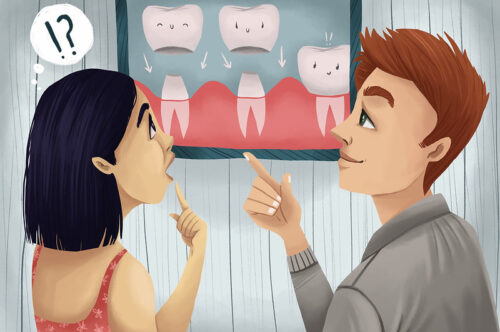
When a tooth is damaged by decay, fractures, or wear, one of the first questions patients ask is: Do I need a filling or a crown? At Fielder Park Dental in Arlington, TX, our team helps you make that decision based on your specific situation — your bite, extent of damage, overall oral health, and long‑term goals.
Both fillings and crowns repair teeth, but they do very different jobs. Understanding how and why each works makes it easier to know which option is best for you.
What a Filling Does
A dental filling is used to restore a tooth after decay or minor damage. When a cavity forms, the decayed portion of the tooth is gently removed and replaced with a filling material. Common dental filling materials include tooth‑colored composite resin, porcelain, or amalgam (in some cases).
Fillings are ideal when:
- The damage is small to moderate
- Most of your natural tooth structure is still intact
- There’s no crack extending into the deeper parts of the tooth
- The tooth does not need structural reinforcement
Fillings literally “fill in” the space left by decay and restore normal chewing function while blending with your natural smile.
What a Crown Does
A dental crown — sometimes called a “cap” — covers the entire visible portion of a tooth. It acts like a protective helmet that holds the remaining structure together and restores strength, shape, and function.
Crowns are typically recommended when:
- The damage is extensive
- A large portion of the tooth is missing
- A tooth has a crack or fracture
- A tooth has had a root canal
- A tooth has a very large filling already
- There’s a cosmetic concern with tooth shape or appearance
Because crowns cover the whole tooth, they’re better at reinforcing teeth that are weak or have lost significant structure.
How We Decide at Fielder Park Dental
At your appointment, the dental team will look at several factors:
Size and Location of the Damage
Small cavities can almost always be treated effectively with fillings. But as decay or damage grows larger — especially if it’s on multiple surfaces of the tooth — a filling may not be strong enough on its own.
Remaining Tooth Structure
A filling preserves as much of your natural tooth as possible. But if a cavity or previous restoration has taken up a lot of space, we may recommend a crown to protect what’s left and prevent future fractures.
Bite and Functional Load
If a tooth is subjected to heavy chewing forces — particularly back teeth — a crown provides reinforcement that a filling alone can’t match. Weak or cracked teeth are especially vulnerable without that extra coverage.
Previous Dental Work
Teeth with large existing fillings often benefit from crowns because the old filling has already removed a lot of natural structure. A crown can help prevent the tooth from splitting under pressure.
Decay Near or Under Old Restorations
Sometimes decay forms around the edges of existing fillings. If this decay is extensive, a crown may offer better protection than simply replacing the filling.
What the Procedures Are Like
- Numbing the area with local anesthesia
- Removing decay
- Placing and shaping the filling material
- Polishing it so it blends with your bite and smile
- Your tooth is prepared by gently shaping it
- Impressions or digital scans are taken
- A temporary crown protects the tooth while a custom crown is made
- At a follow‑up visit, your custom crown is placed and adjusted for fit
Fillings
Getting a filling typically involves:
This procedure is usually quick and comfortable, and you leave with a restored tooth the same day.
Crowns
The crown process takes a few more steps:
Crowns require a bit more time and planning, but they provide strength and long‑term durability when a filling just won’t cut it.
A Real‑World Example
Scenario A: You have a small cavity on the surface of a molar that’s otherwise healthy and strong. A filling restores the shape and function with minimal alteration to your tooth.
Scenario B: Years ago, you had a large filling on that same molar, and now decay has returned around the edges — plus you’ve noticed a small crack. In this case, a crown may be the wiser choice, because it reinforces the tooth and helps prevent future breakage.
Restoration That Lasts
Both fillings and crowns are reliable, long‑lasting restorations when placed appropriately and cared for with good oral hygiene. At Fielder Park Dental, after we determine the ideal treatment, we’ll walk you through care tips and schedule your follow‑ups to make sure your restored tooth stays healthy for years to come.
Questions About Crowns or Fillings at Fielder Park Dental?
If you’re unsure whether a crown or a filling is best for you, the easiest way to know is with a dental exam and digital X‑rays. Our team will explain your options in clear, straightforward terms so you can make the right choice for your smile and budget.
Call Fielder Park Dental in Arlington, TX today to schedule your consultation. We’ll help you understand what’s going on and how best to protect your teeth — with confidence and comfort.
Image from Authority Dental under CC 2.0